
Paths and Perimeter Lighting
Paths and perimeter lighting
Guide people safely from the street to the door, light side passages and keep the edges of your property clear after dark.
Guide the eye, not the whole garden
Good path lighting is low, even and glare-free. It shows you where to step and leaves the rest of the garden in the dark.
- Keep it low. Light directed down and across the path avoids glare in your eyes and in your neighbours’ windows.
- Overlap the pools of light. Space fittings so each one’s light meets the next, with no dark gaps to trip over.
- Let sensors do the work. Sensor bollards light up as someone approaches and stay off the rest of the time.
- Plan for power. Mains lights need a licensed electrician. Solar lights suit places where running cable is not practical.
Four places to look first
The front path
The route from the street or driveway to the door sees the most traffic and the most deliveries.
Side passages and gates
Narrow, dark and often forgotten. A single wall light with a sensor makes them safe and usable.
Steps and level changes
Anywhere the ground changes height deserves clear, shadow-free light.
Boundaries and perimeter
Lit edges make the whole property feel more open, and make movement at the boundary easy to see.
Bollard, path light or wall light?
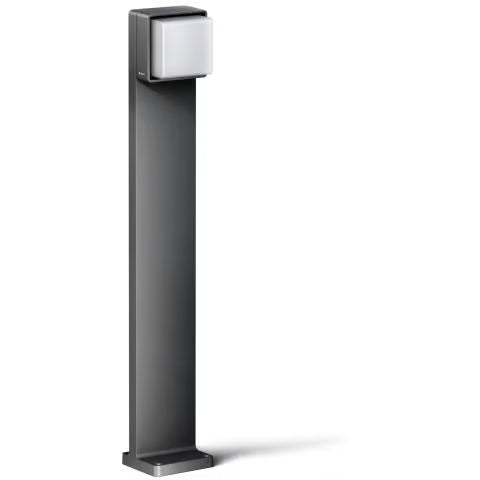
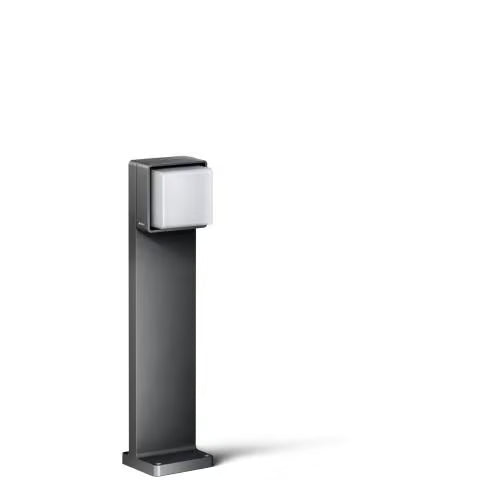
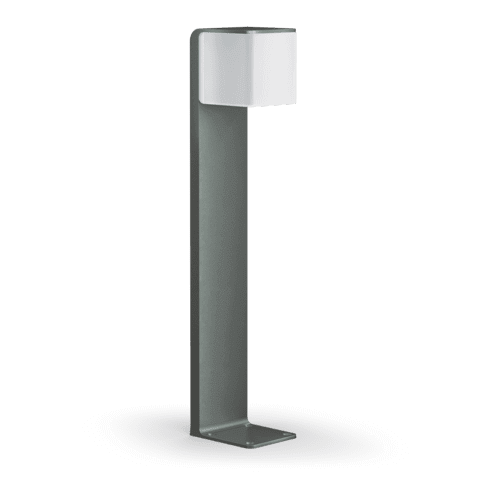
Bollards and path lights sit at ground level and light the path itself. They suit long approaches, garden beds and the edges of lawns.
Wall lights are better in narrow side passages and beside steps, where there is no room for a post and light from above covers the full width.
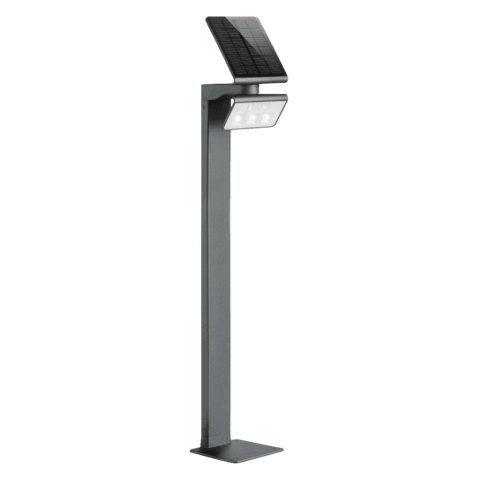
Solar path lights need no wiring, which makes them ideal for garden paths far from the house. Mount the panel where it receives good sunlight.
Mixing styles: choose the same finish across bollards and wall lights so the property reads as one design, even when the fittings differ.
What suits your path?
| Situation | Choose | Example |
|---|---|---|
| Long front path, mains power available | Sensor bollard | GL 85 SC 900 and GL 85 SC 600 with a 160° sensor and 5 m reach |
| Several lights controlled together | Bluetooth path light | GL 80 LED SC, linkable through the app |
| Garden path with no power | Solar path light | Xsolar GL-S, wire-free with adjustable base heights |
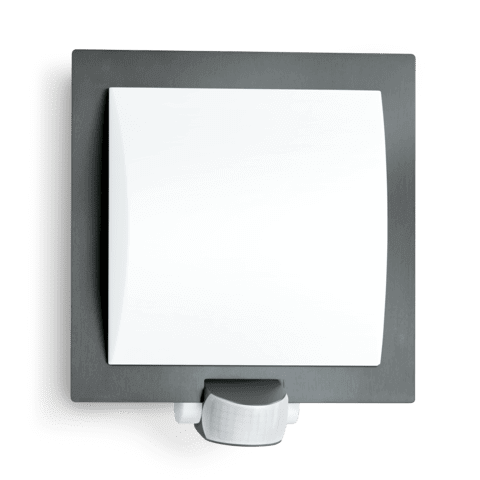
| Narrow side passage or gate | Sensor wall light | L 20 LED with a 180° sensor and up to 10 m range |
Path, bollard and perimeter lights

Path lighting FAQs
How far apart should path lights be?
It depends on the fitting’s height and light spread. A good rule is to place them so the light from one just meets the next. The product page shows the light distribution for each model.
Will path lights come on during the day?
Sensor lights are designed for use after dark. Many include a twilight setting, so they respond only when it is dark. Check the product page for the available settings.
Can I combine solar and mains-powered lights?
Yes, and it is a good way to extend lighting to a far corner of the garden. Choose a similar finish so the fittings look consistent.
Do I need an electrician?
Mains-powered path lights must be installed by a licensed electrician in Australia. Solar lights are wire-free.
Related guides
Building or specifying a project?
Talk to our team about trade pricing and product selection for builders, designers and electricians.